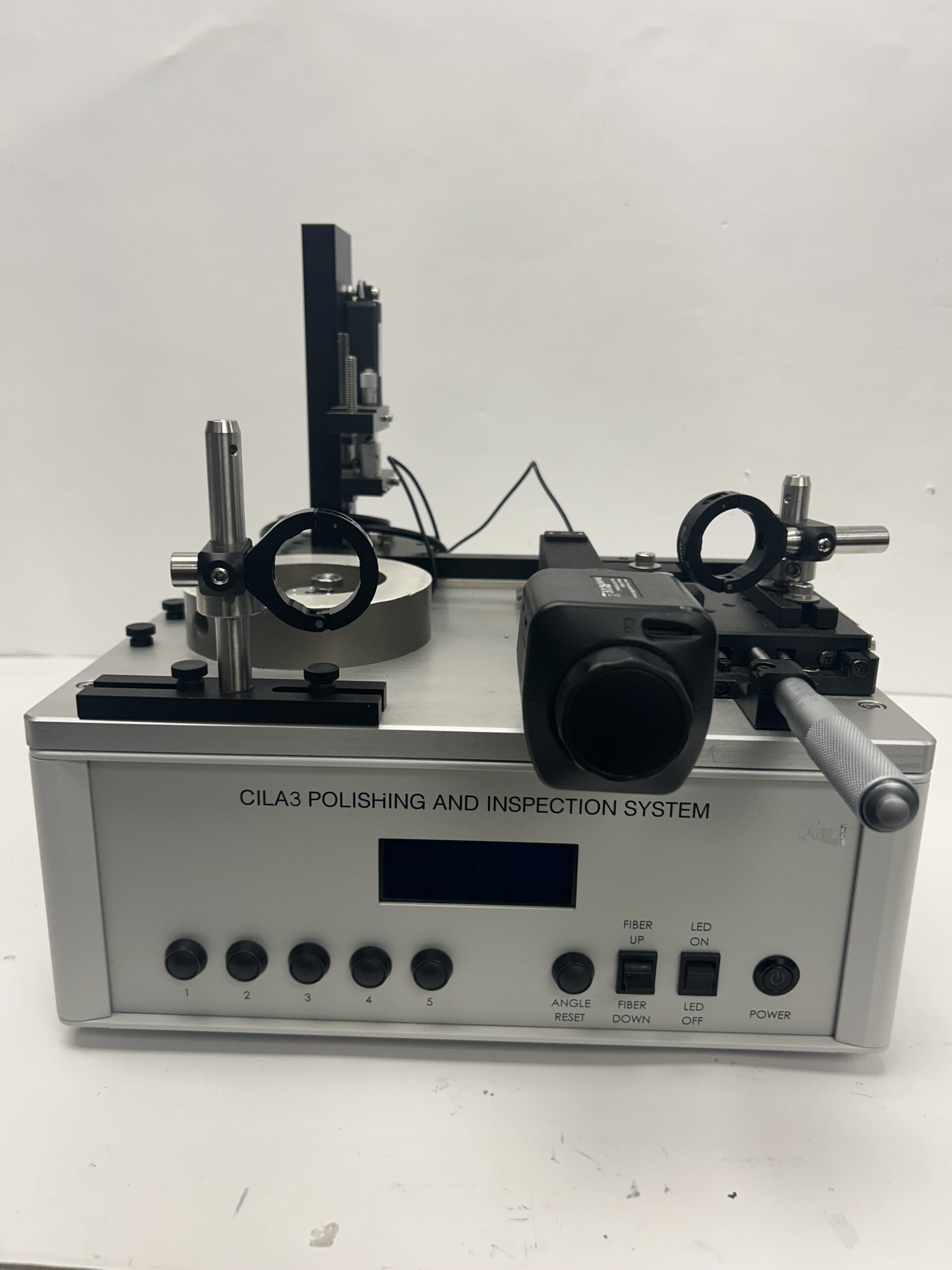
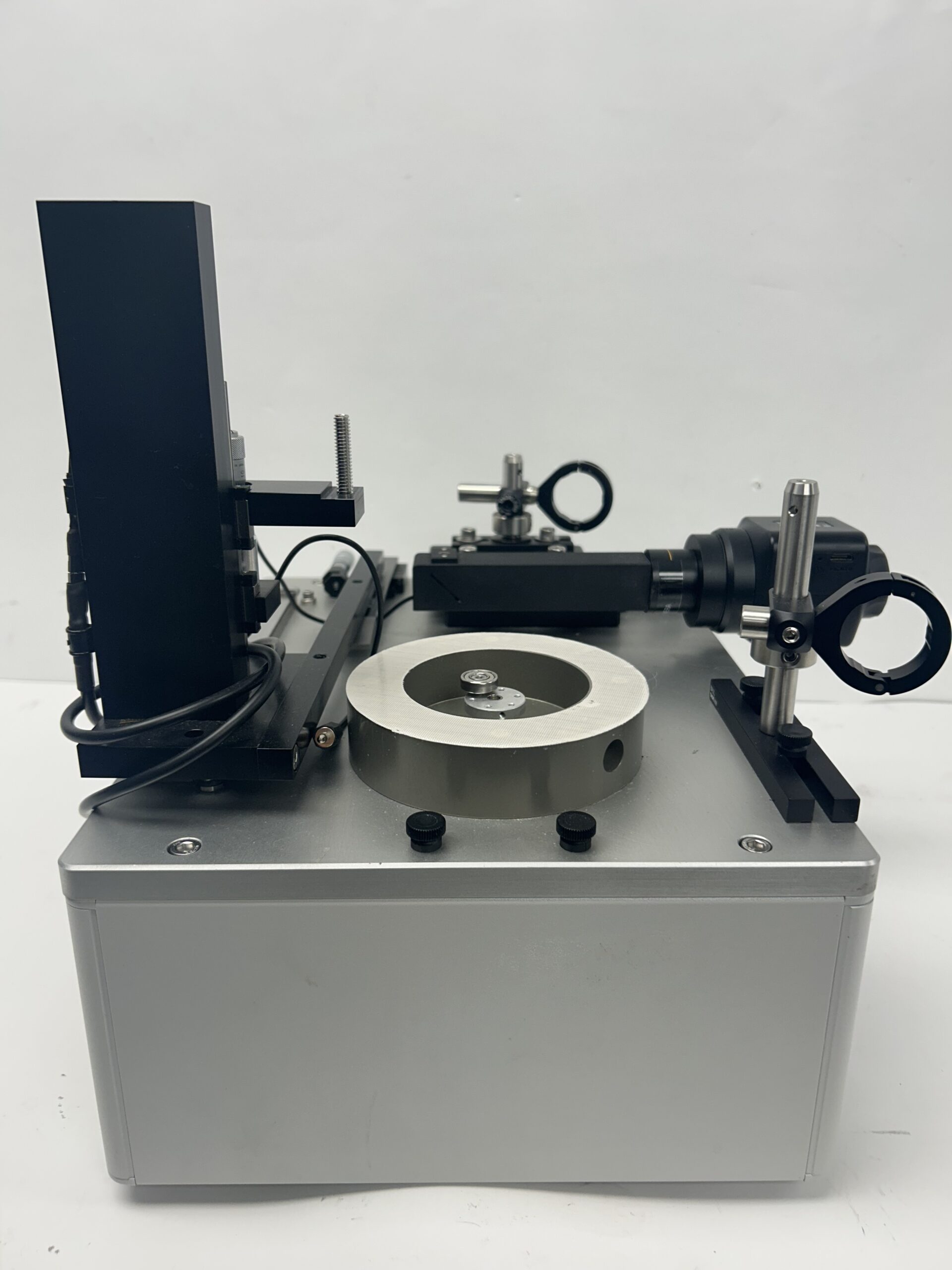
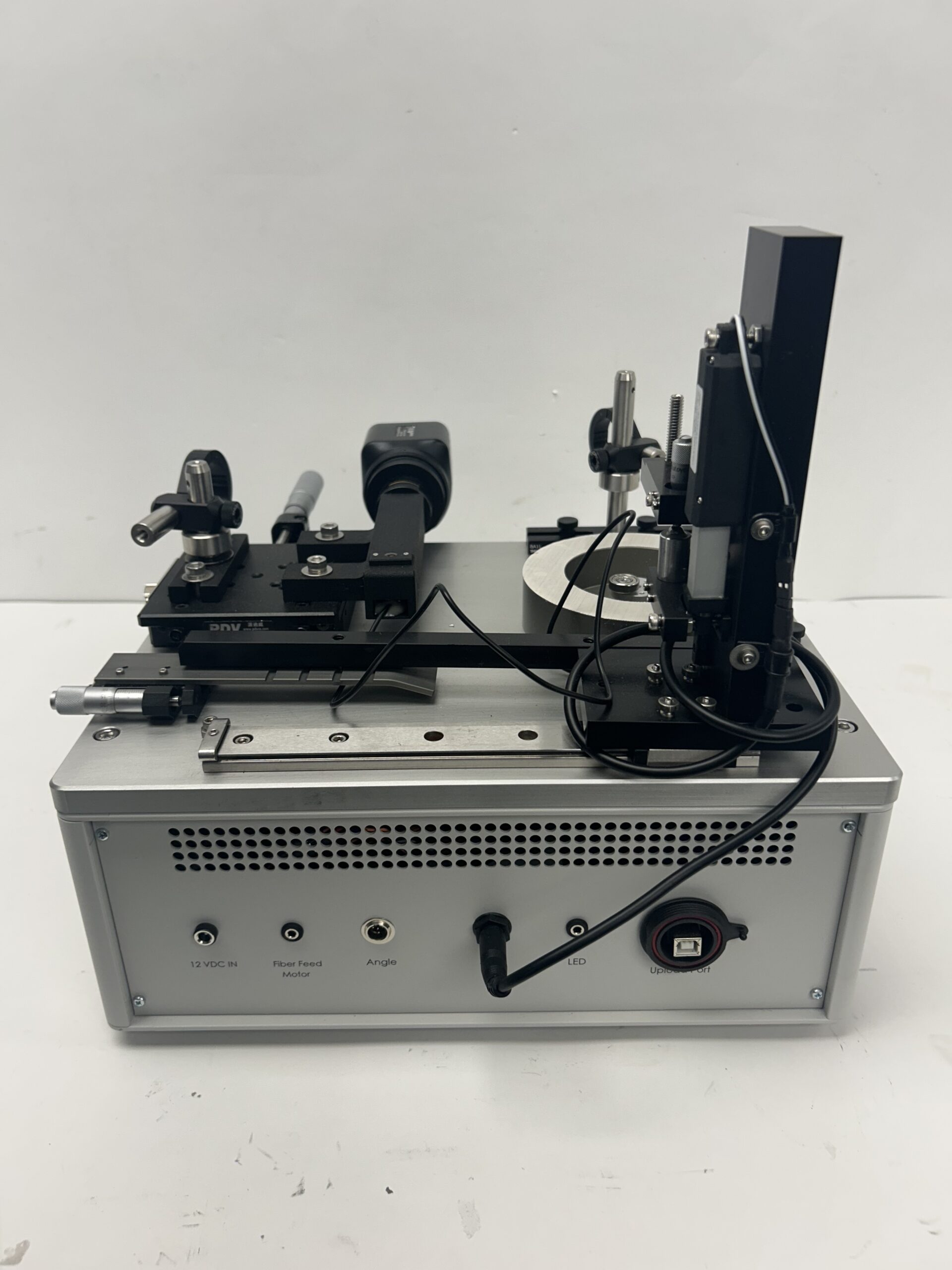
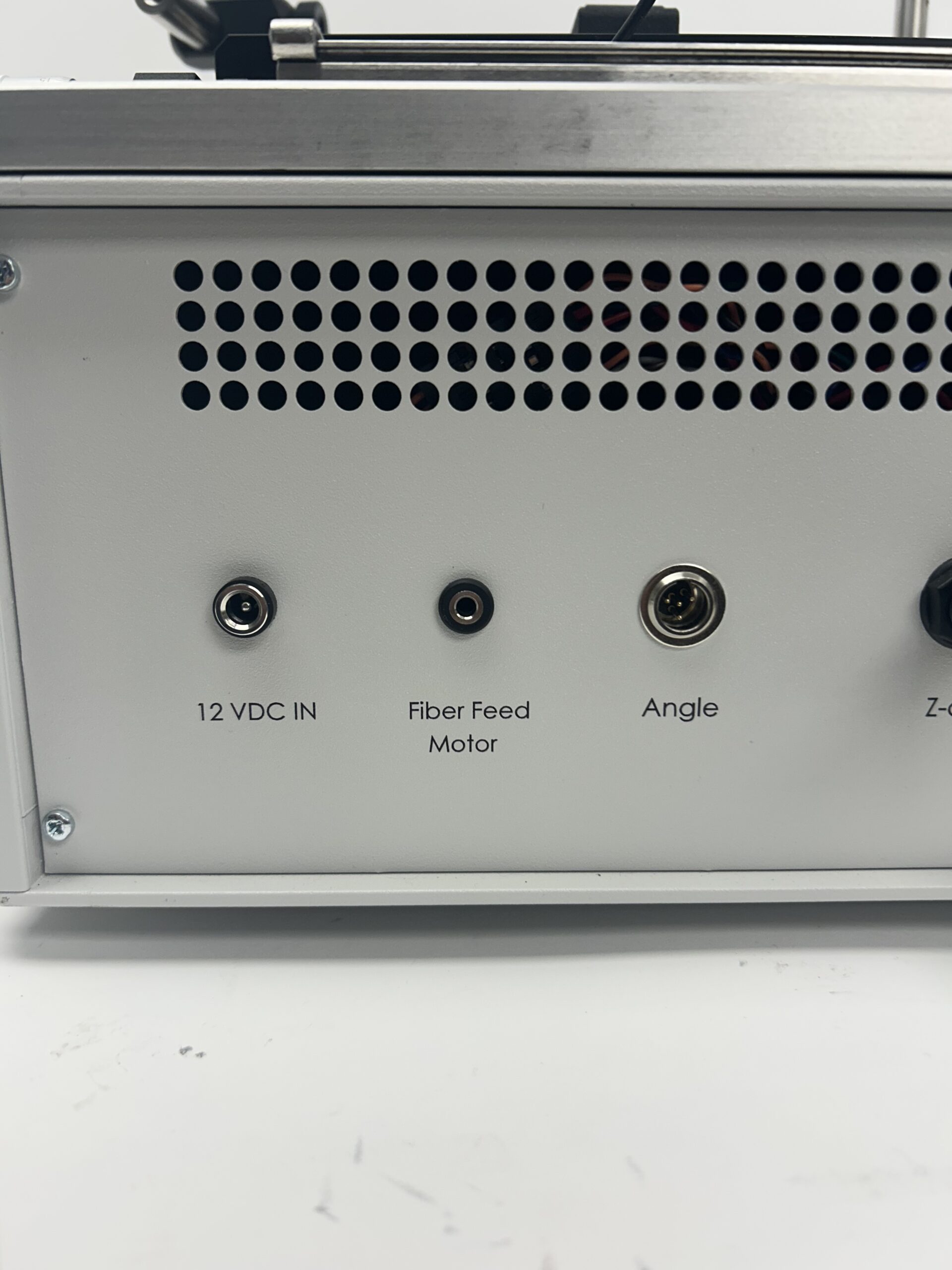
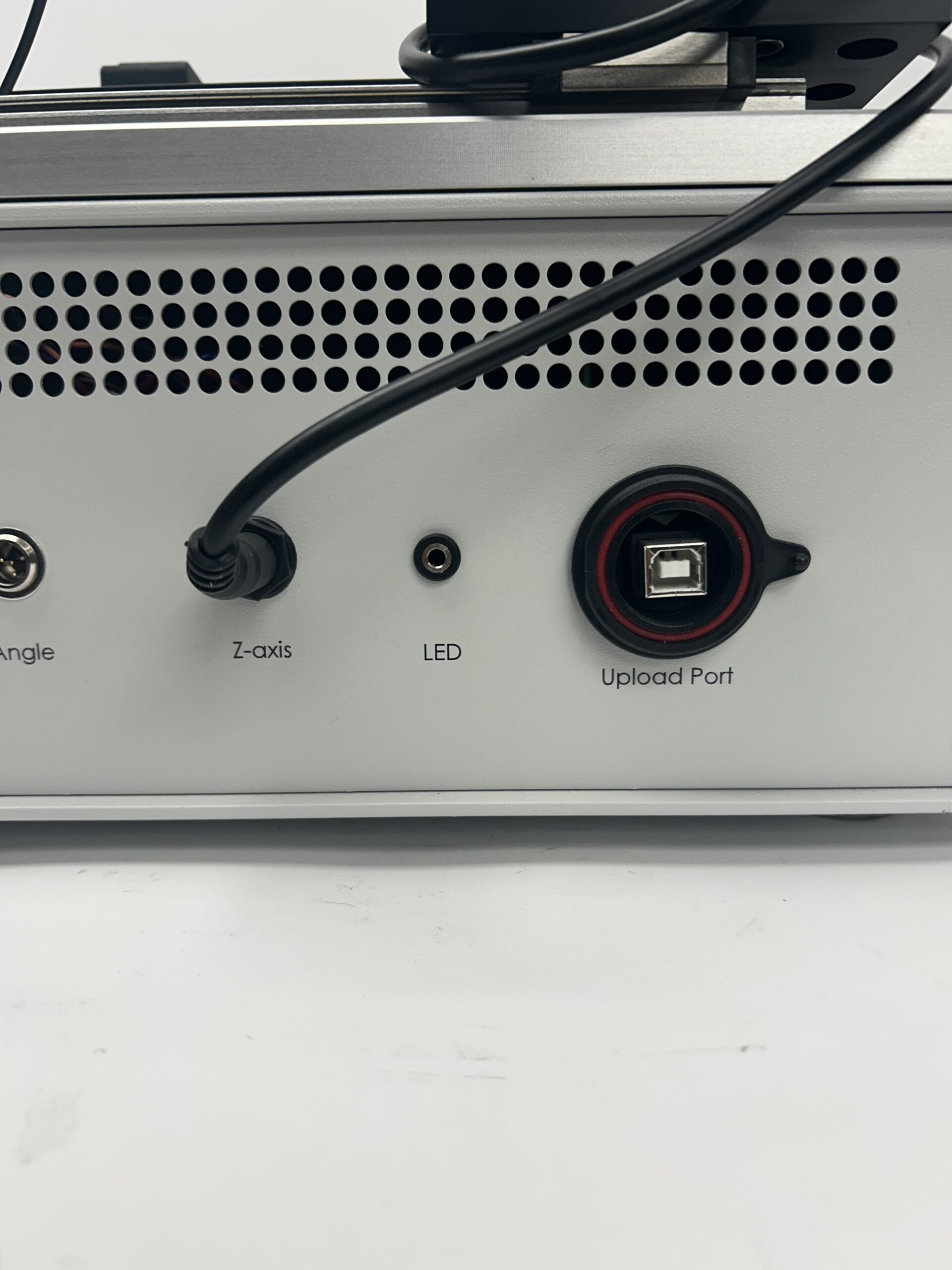
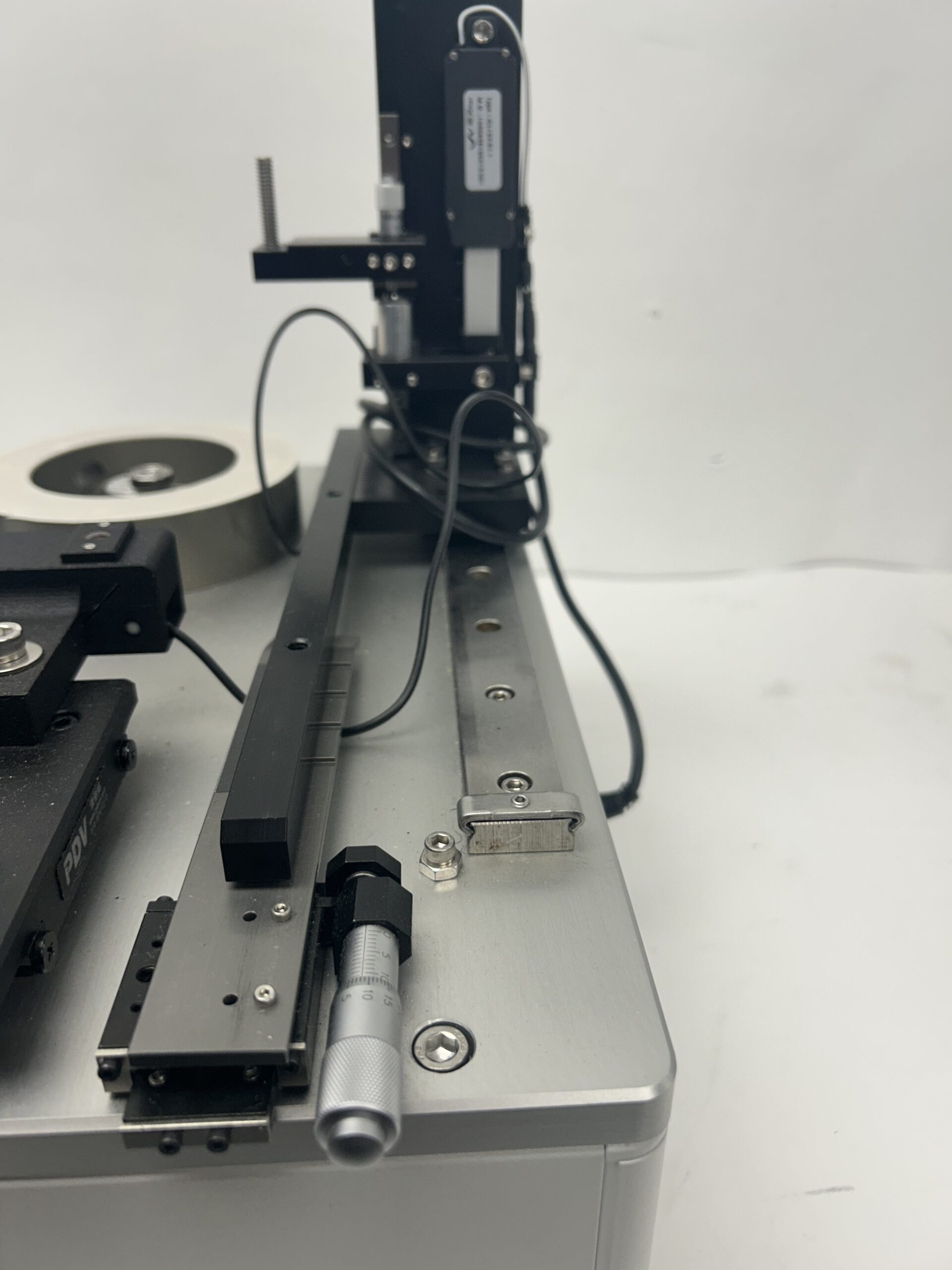
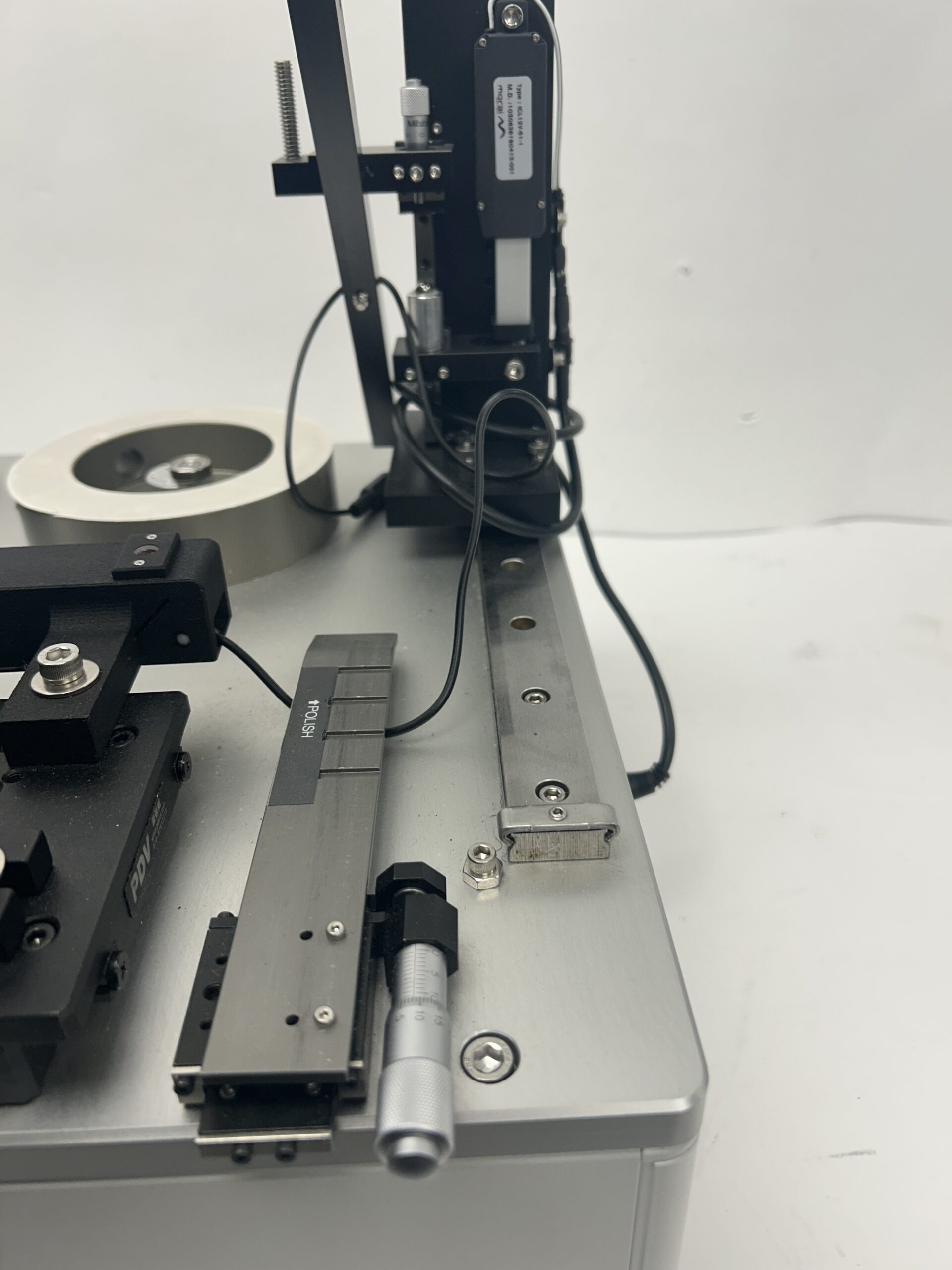
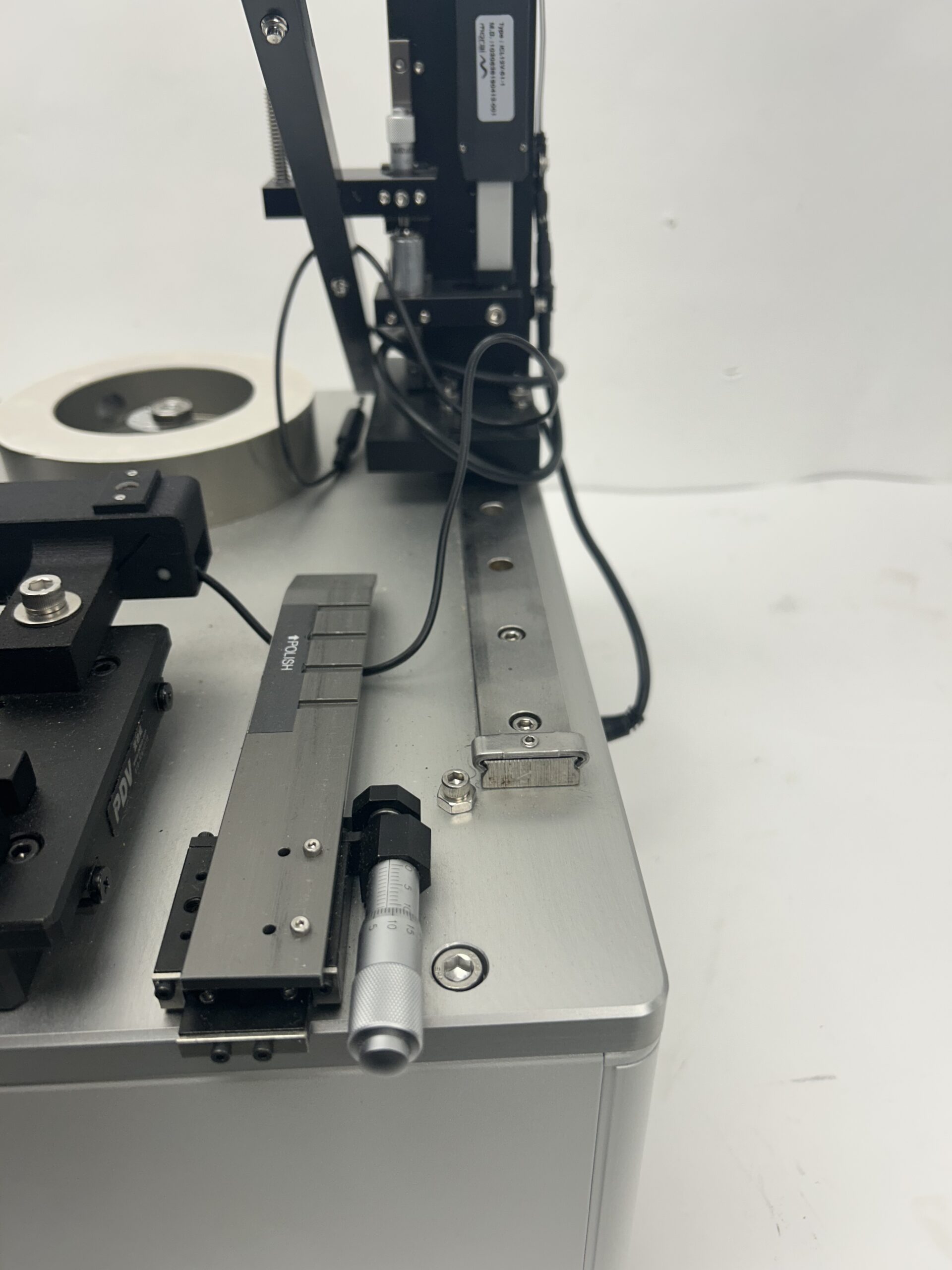
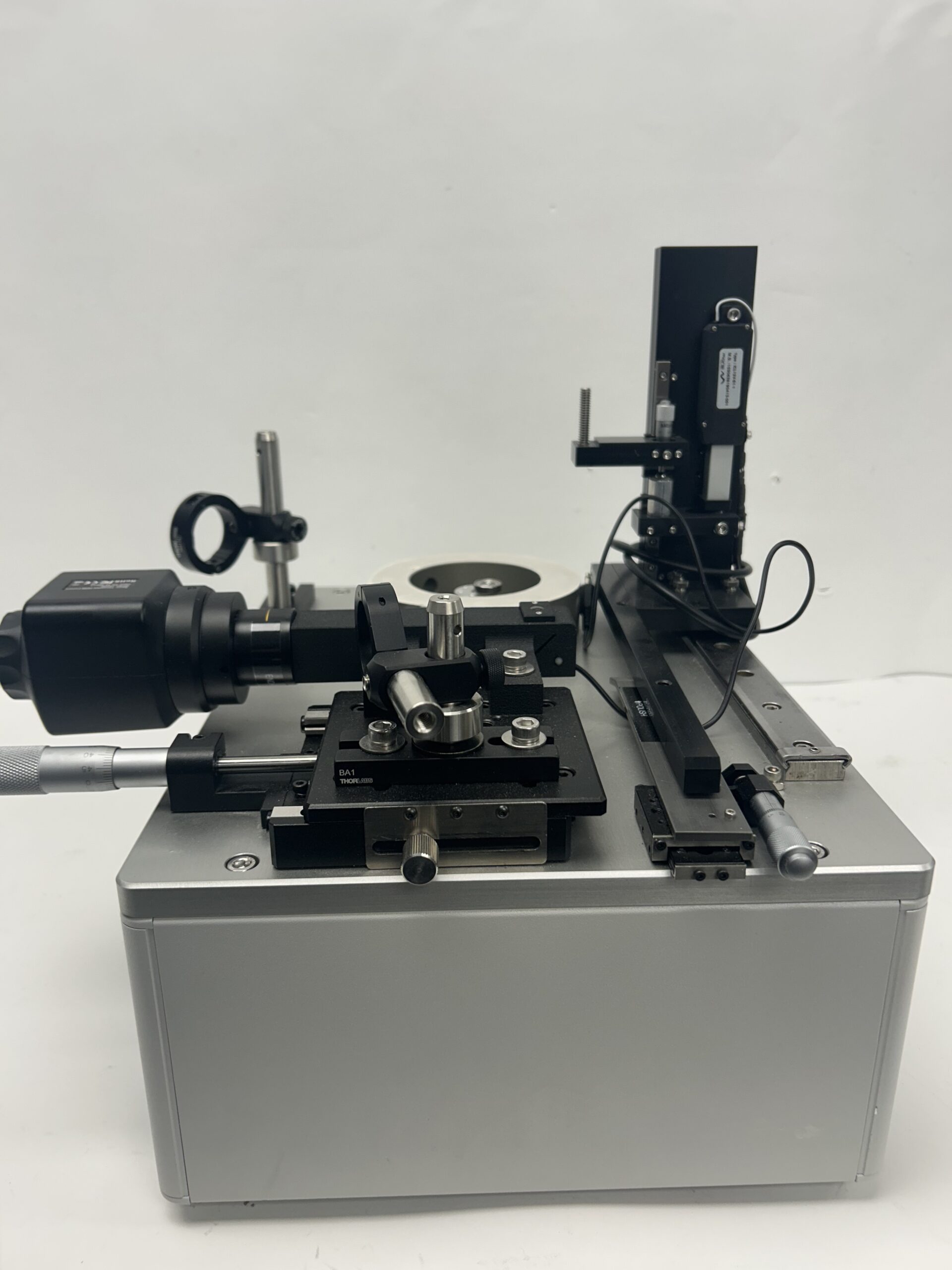
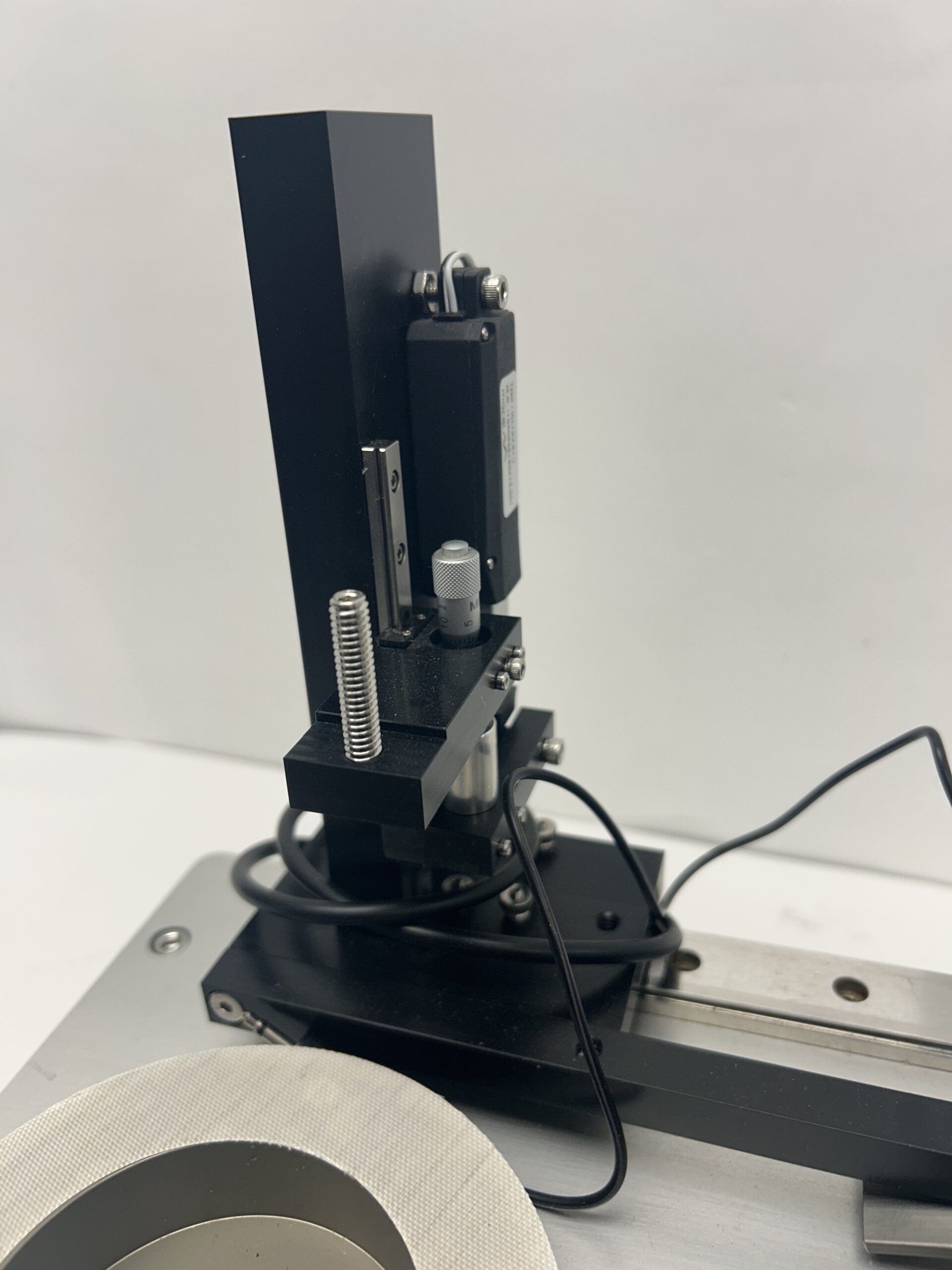
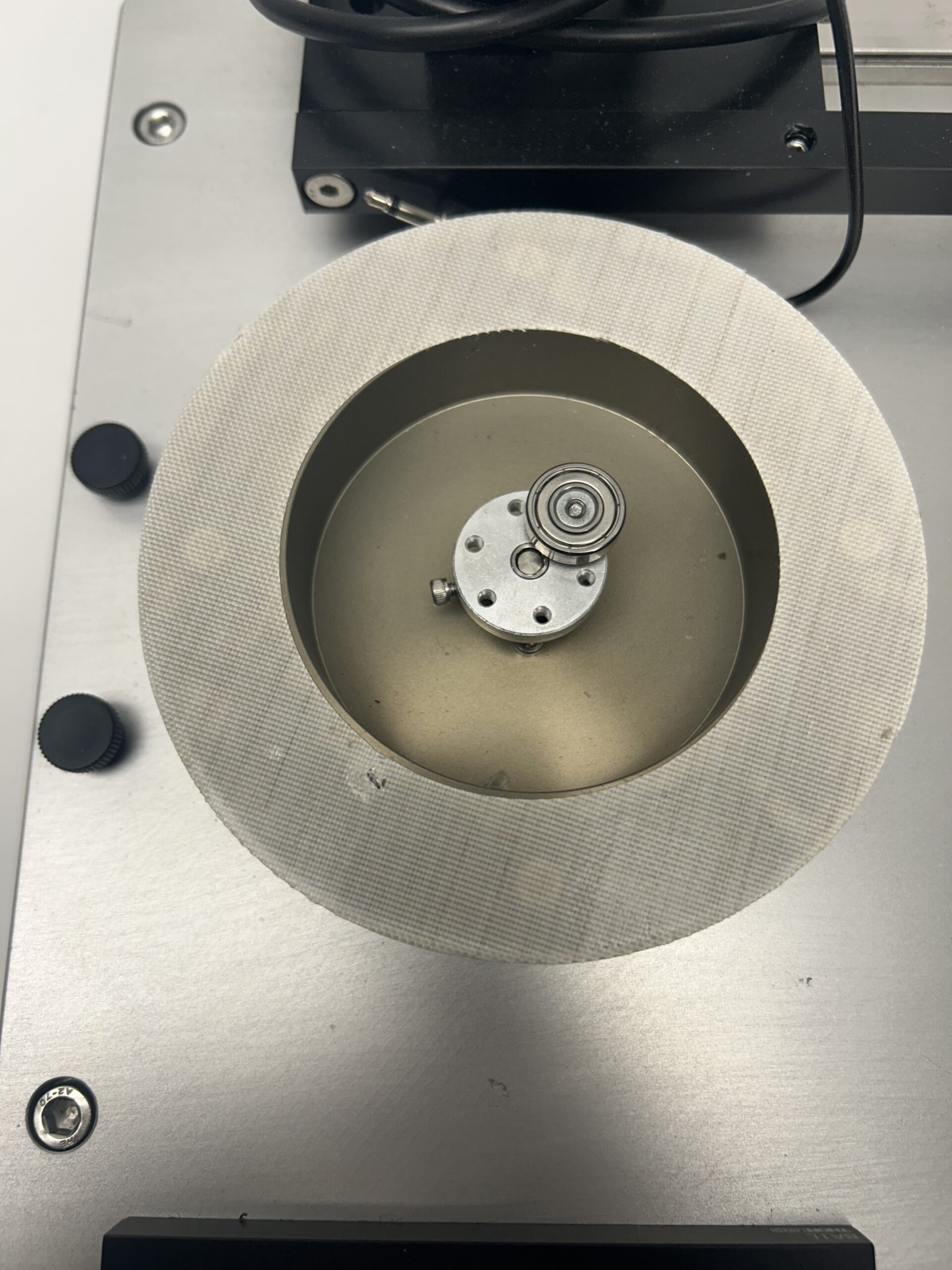
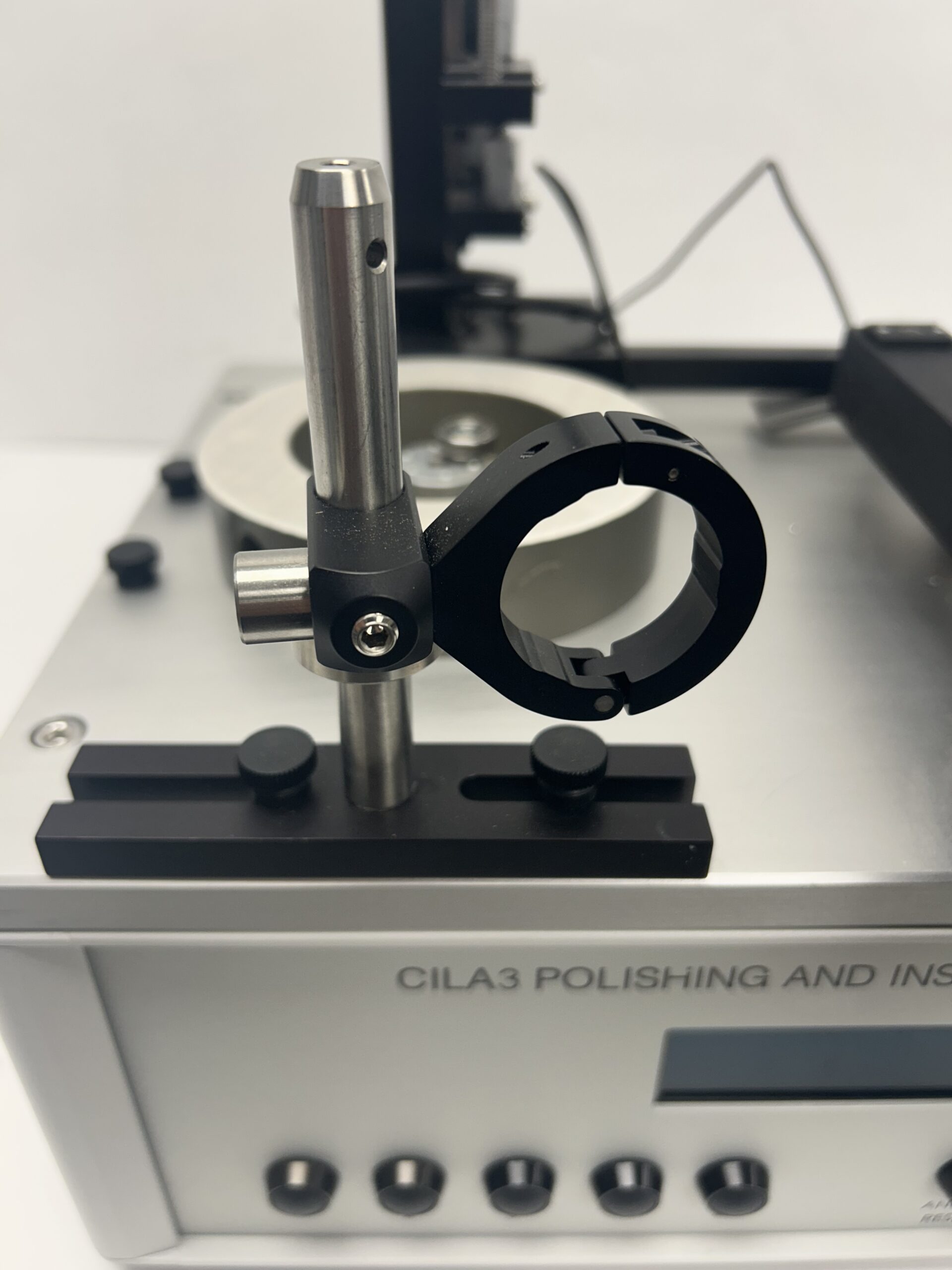
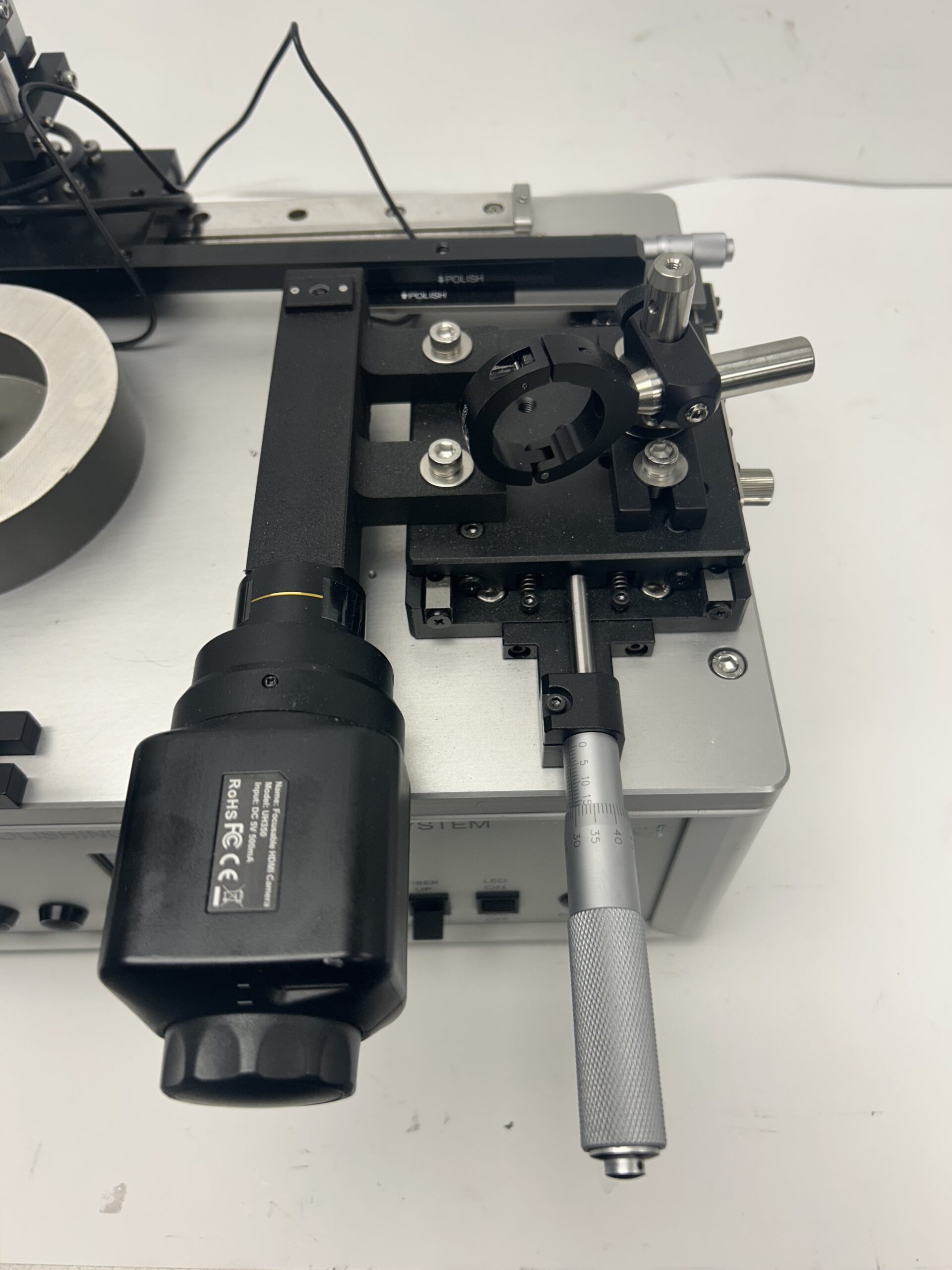
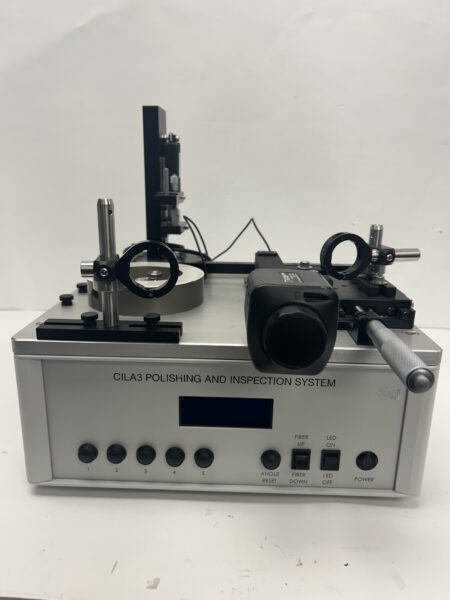
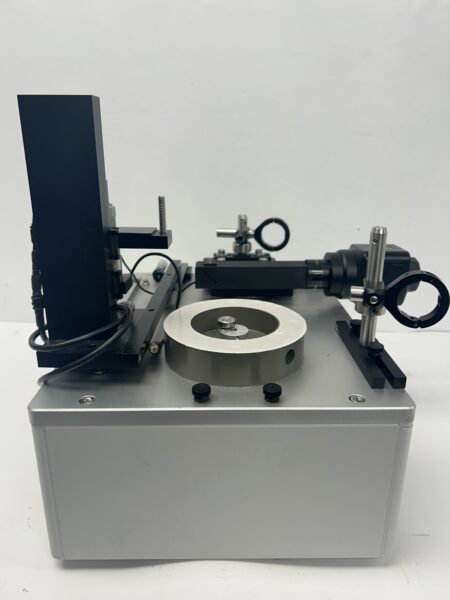
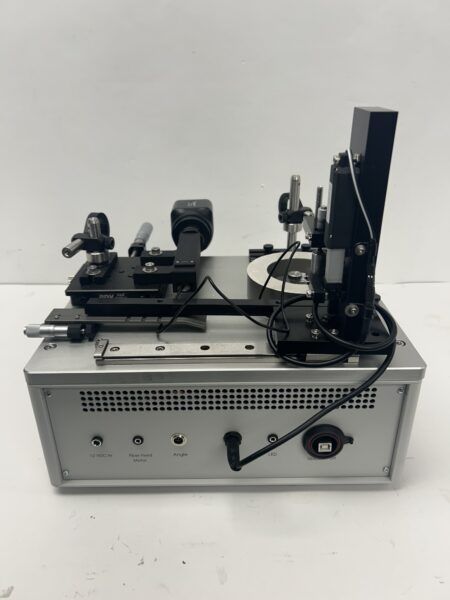
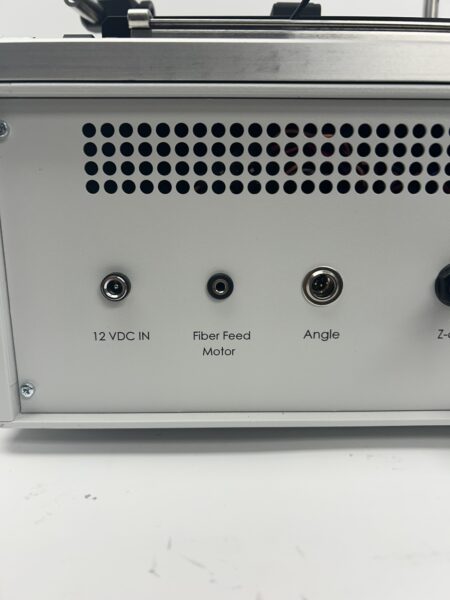
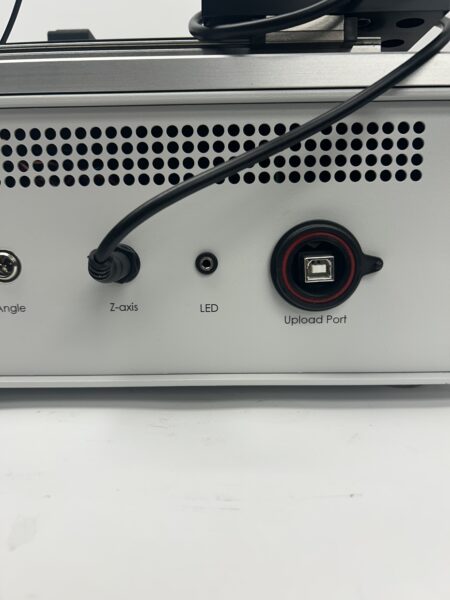
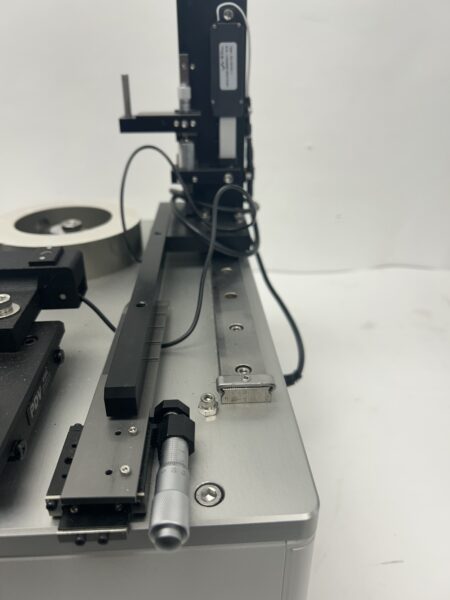
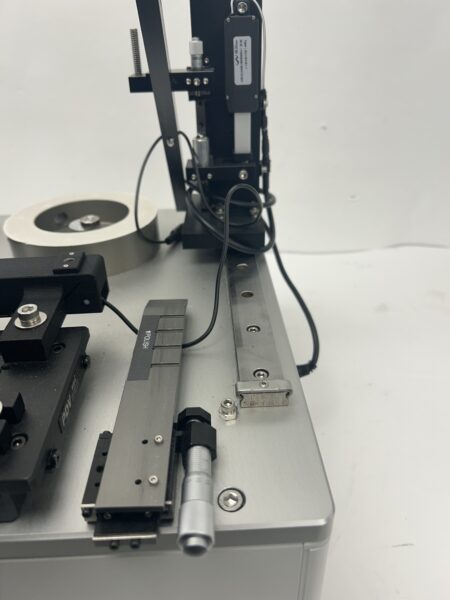
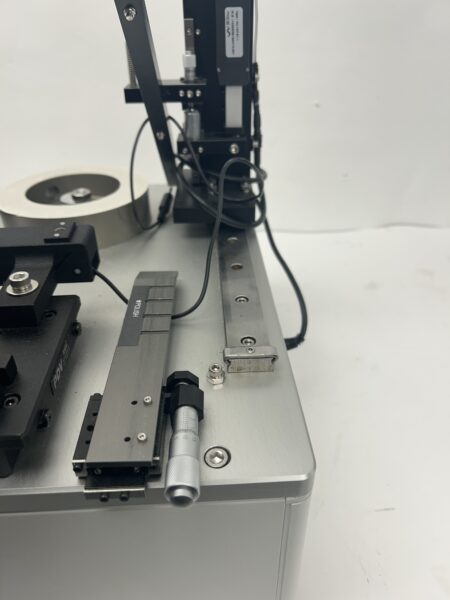
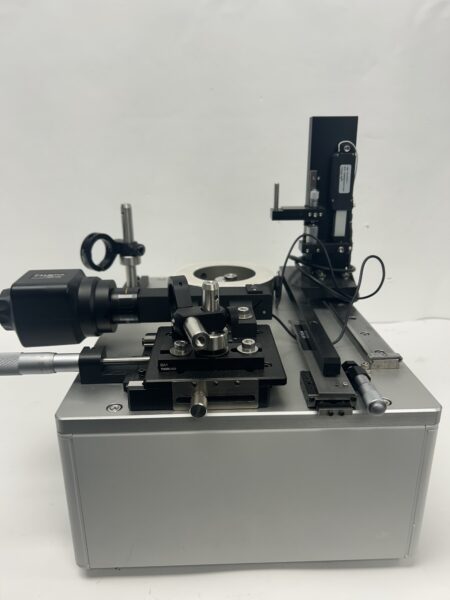
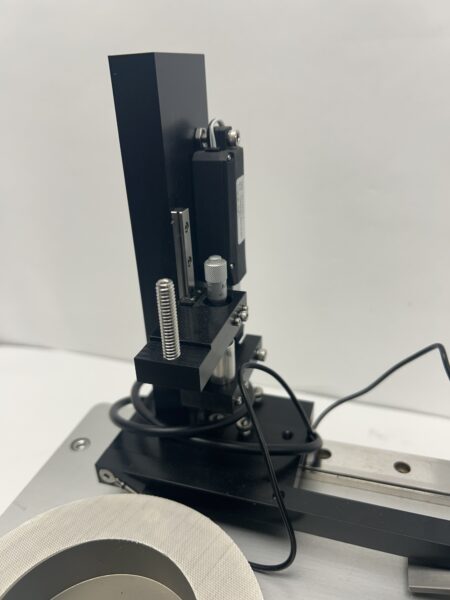
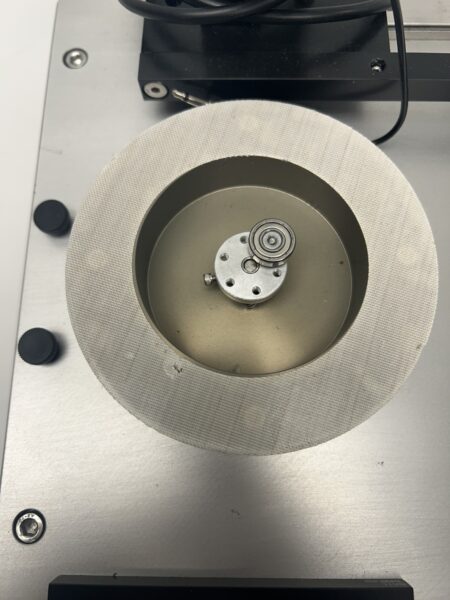
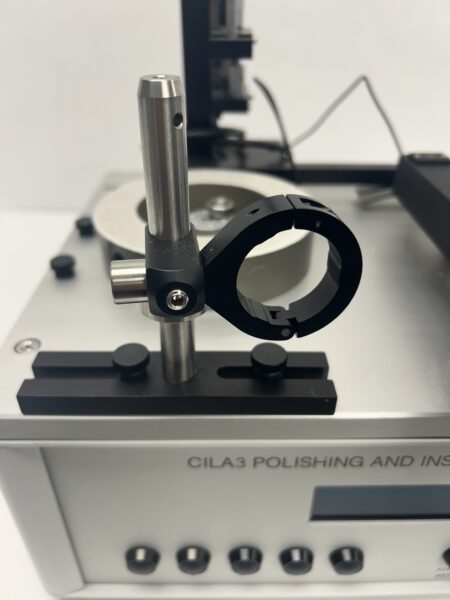
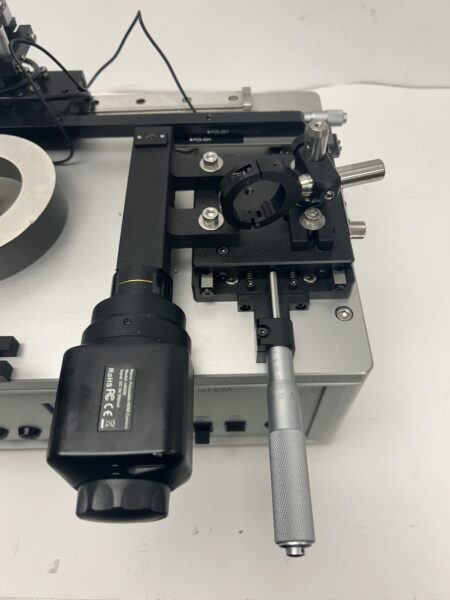
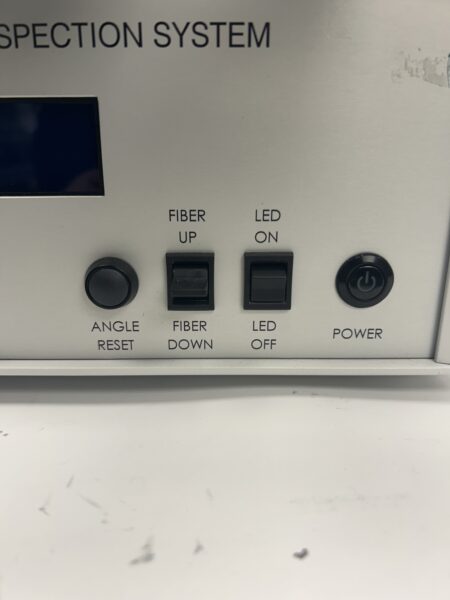

Fiber optic cable assembly polishing is a crucial step in the manufacturing and installation of fiber optic connections, ensuring optimal performance by reducing signal loss. During the process, the end faces of fiber optic connectors are polished to achieve a smooth, flat, and reflective surface, which is essential for efficient light transmission. The polishing removes imperfections and ensures proper alignment when fibers are mated, which helps to minimize insertion loss and back reflection. The process typically involves several stages using progressively finer abrasive materials, starting with coarse lapping films and moving to finer grits. There are different polishing techniques, such as the “dry” method or “wet” polishing, with the latter providing better control and results. Precision is key, as even minute scratches or unevenness can significantly degrade signal quality. Proper fiber optic cable assembly polishing is vital for maintaining the integrity and reliability of high-speed communication systems.
Features
- Rugged, ergonomic design and construction
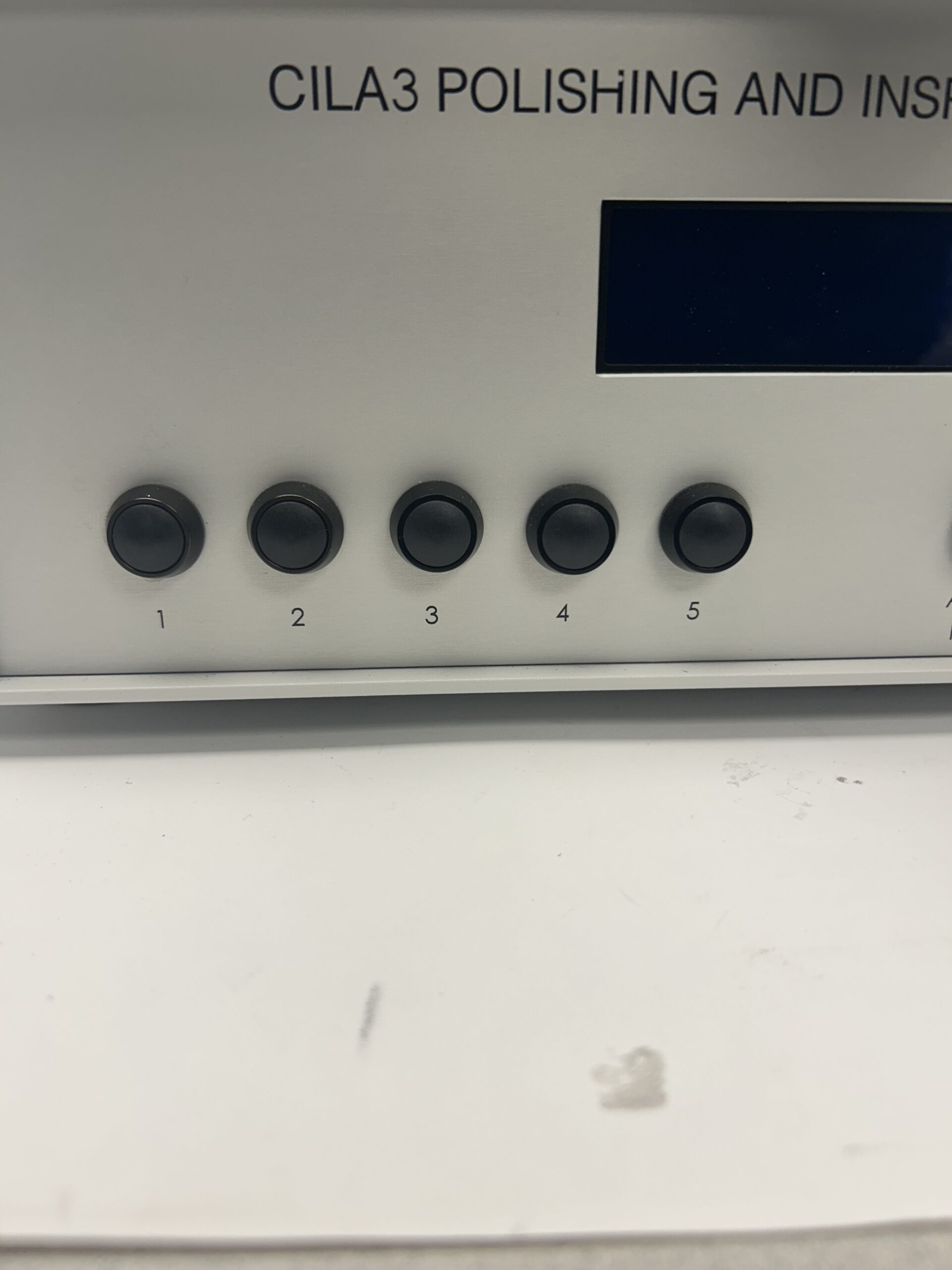
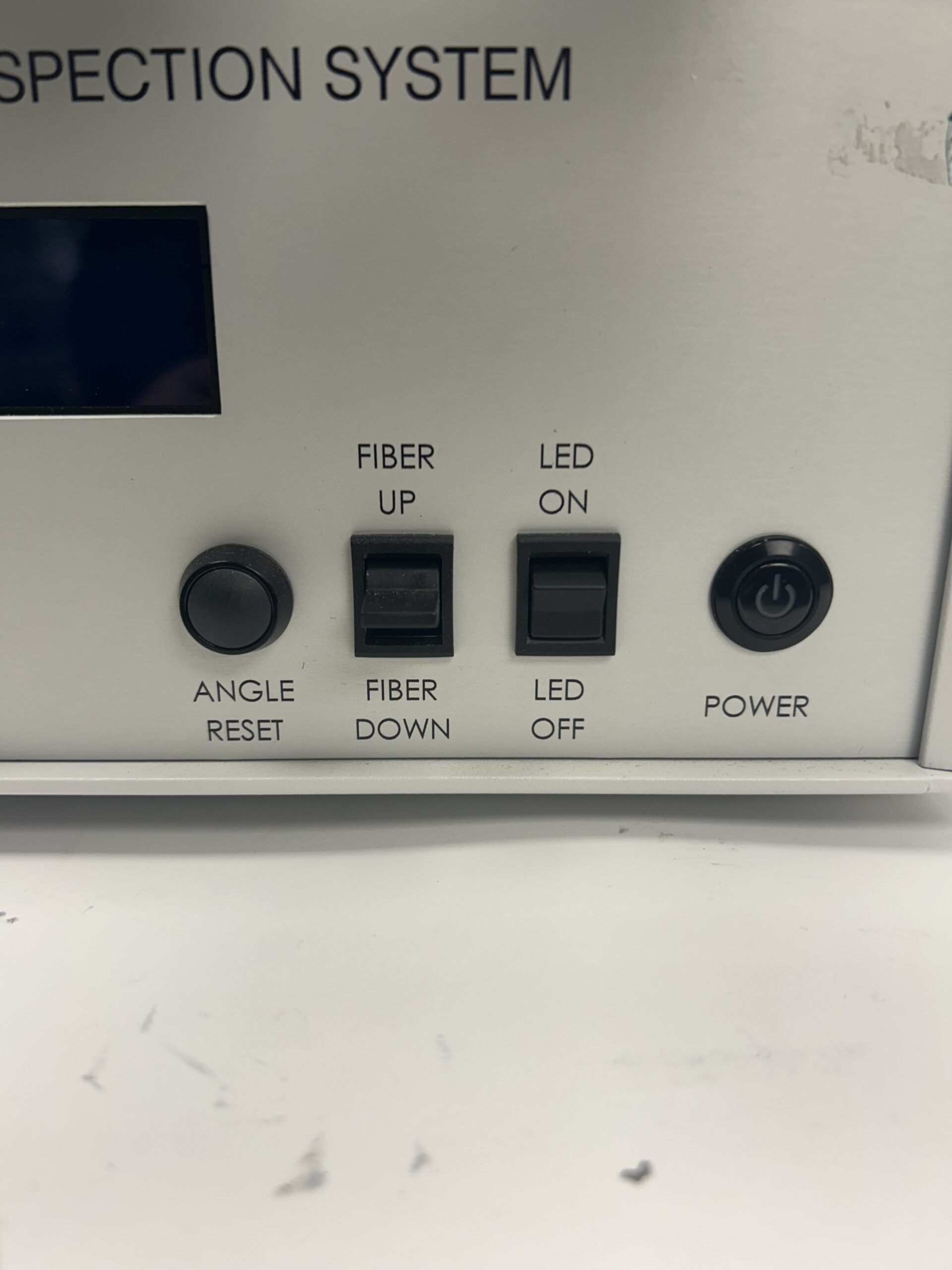
- Automated, push-button operation
- Automatic air grind feature replaces manual de-nubbing operation required for most other machines
- Universal,UPC type work holder will accommodate all commercial fiber optic connectors, including FC, ST, SC, LC, MU, , SMA type, as well as all circular, environmentally resistant, hermaphroditic Mil style connectors
- Dedicated work holders specific to FC/APC, SC/APC, LC/APC, and mil style angled termini
- Integral bright field video inspection of polished end-faces
- High throughput process consistency– typically 45 seconds throughput/UPC connector compliant to industry-accepted end-face tolerances with typical first pass yields of 98%. The charts below detail twenty SC connectors polished on the Cila 2.0, which were then interferometrically inspected.
THE FIBER OPTIC CABLE ASSEMBLY THAT WE HAVE IN STOCK IS MISSING SOME PARTS SUCH AS THE TABLE
PRODUCT IS SOLD AS IS
| Weight | 27 lbs |
|---|---|
| Dimensions | 20 × 20 × 20 in |
Related products

Optical Components



Optical Components