Sale!


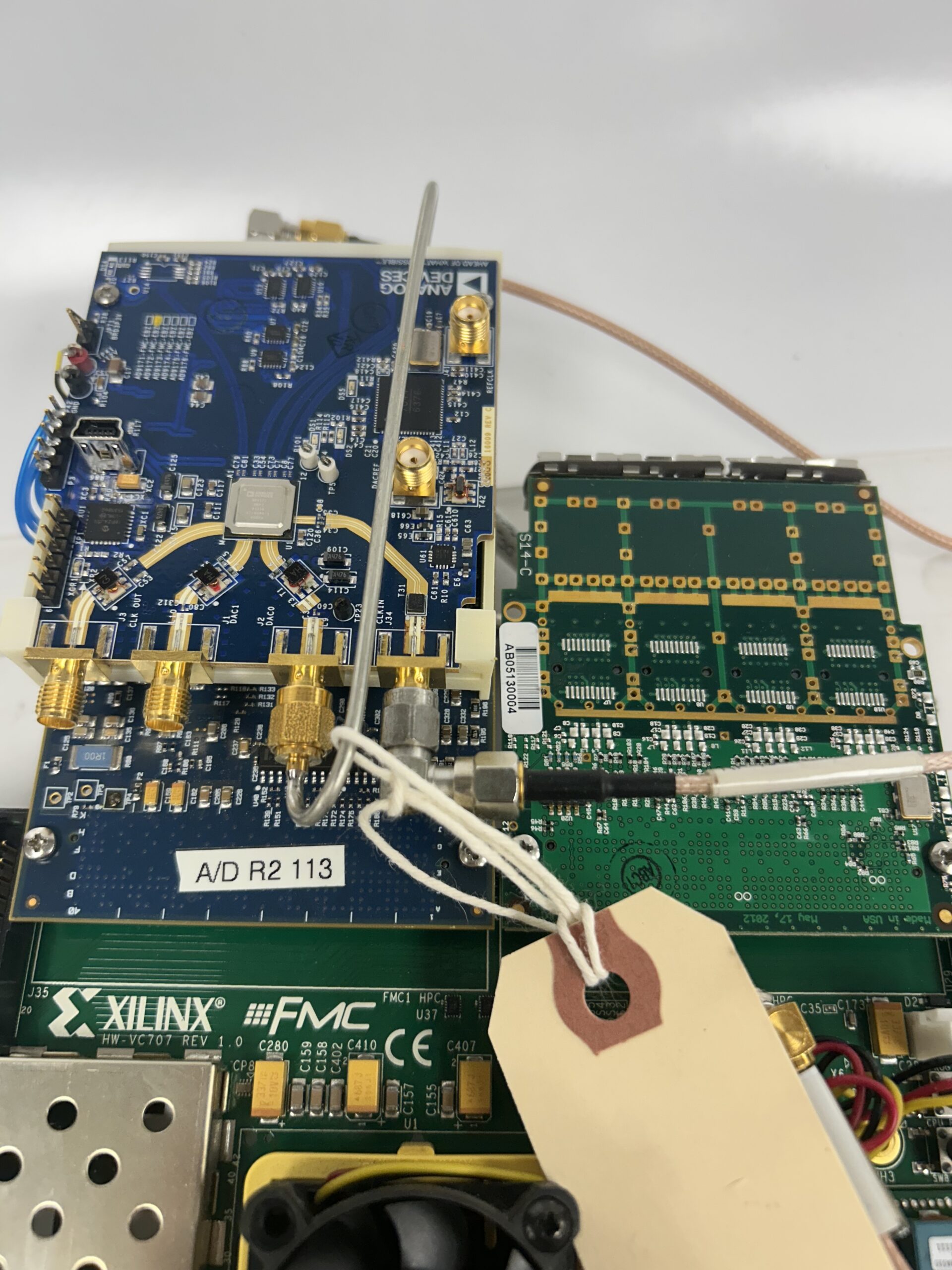
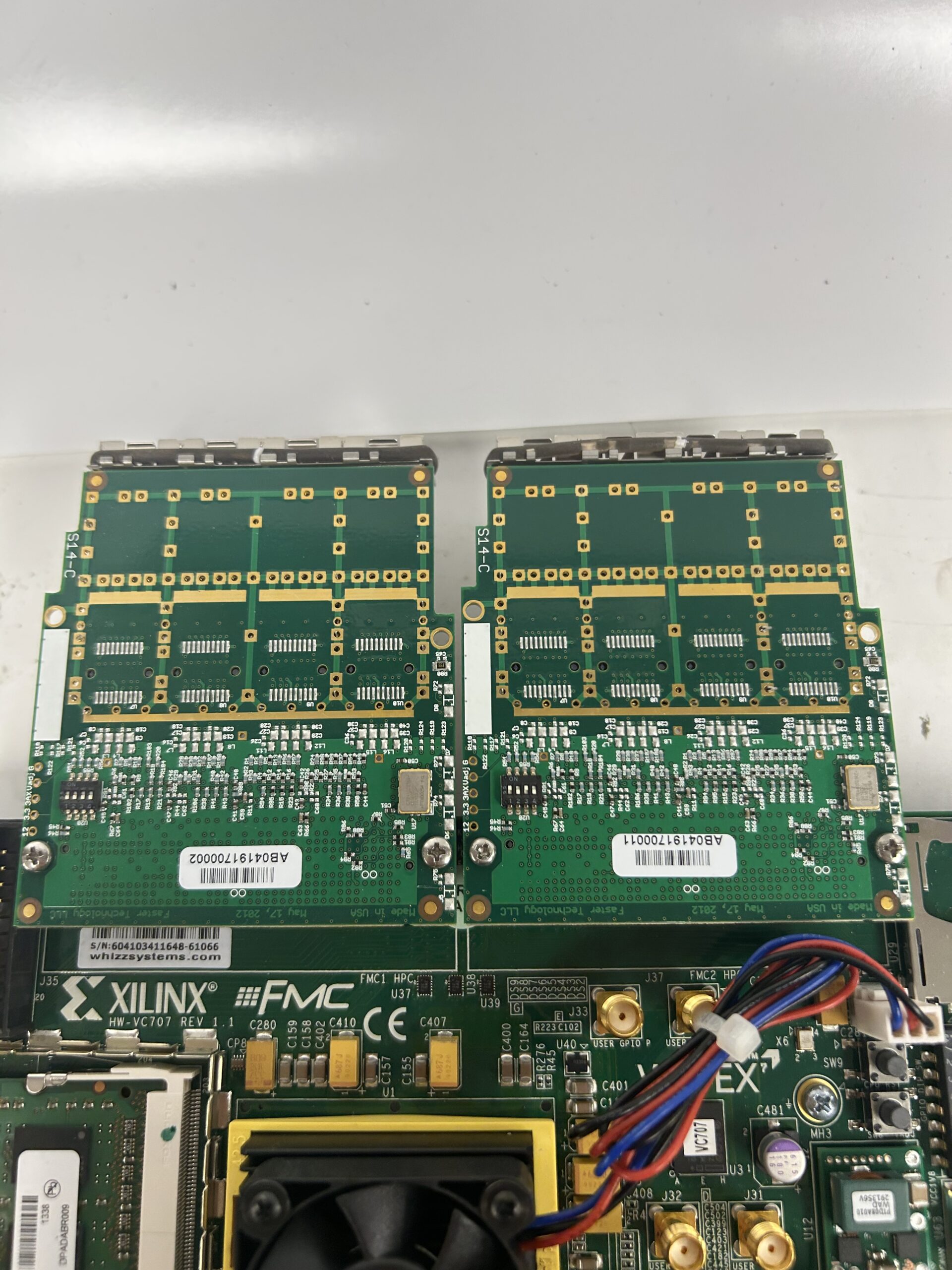
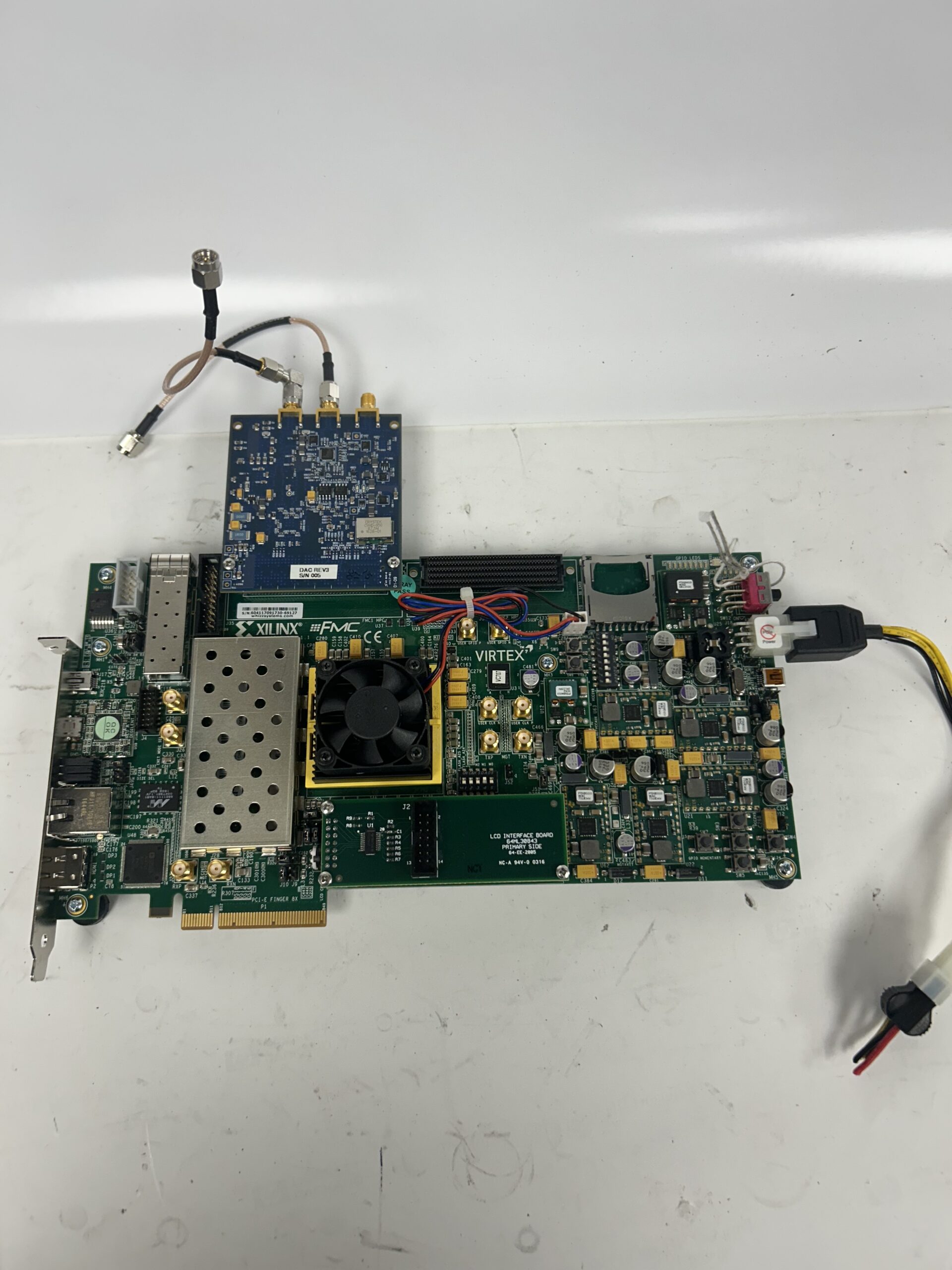
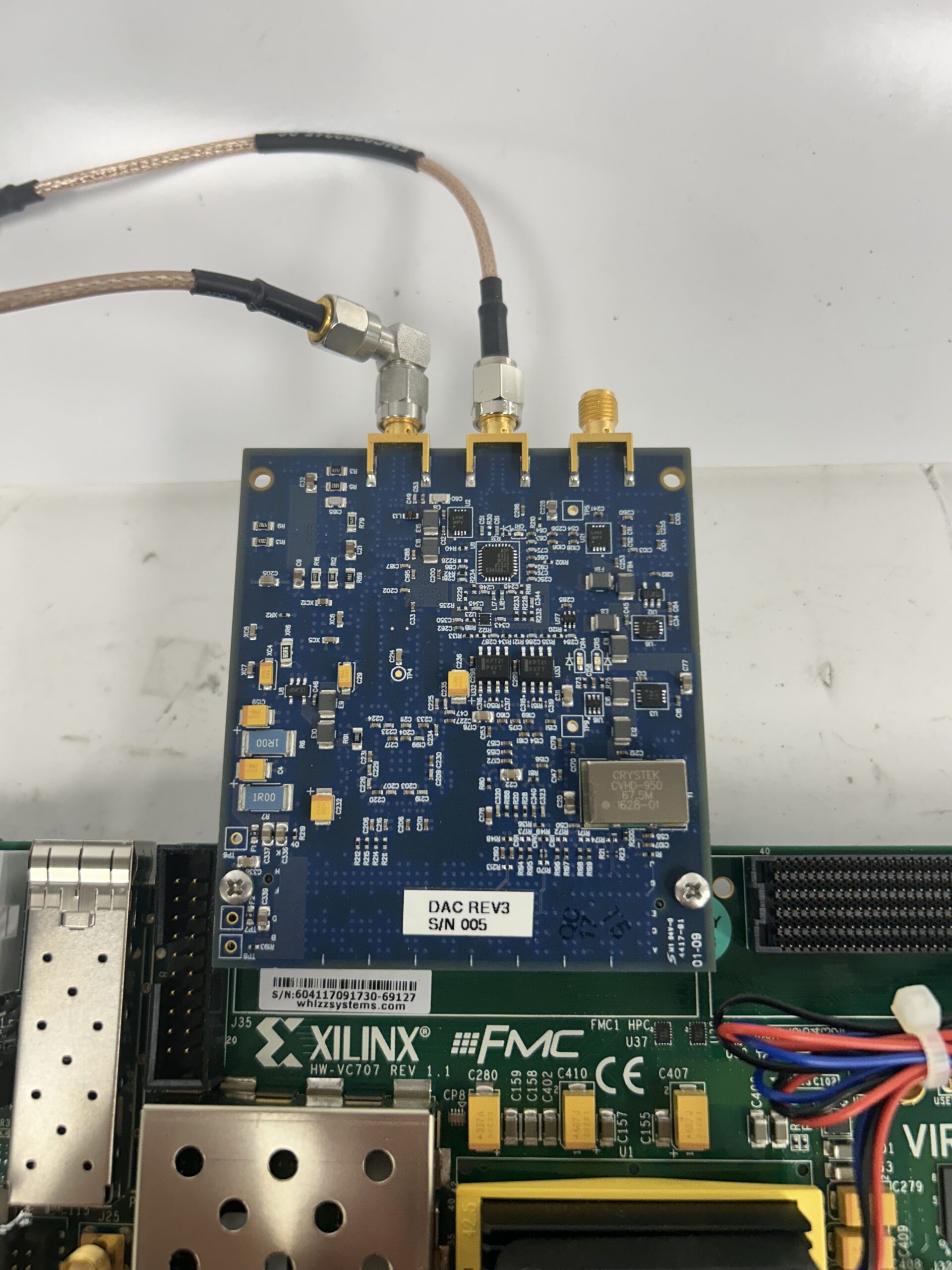

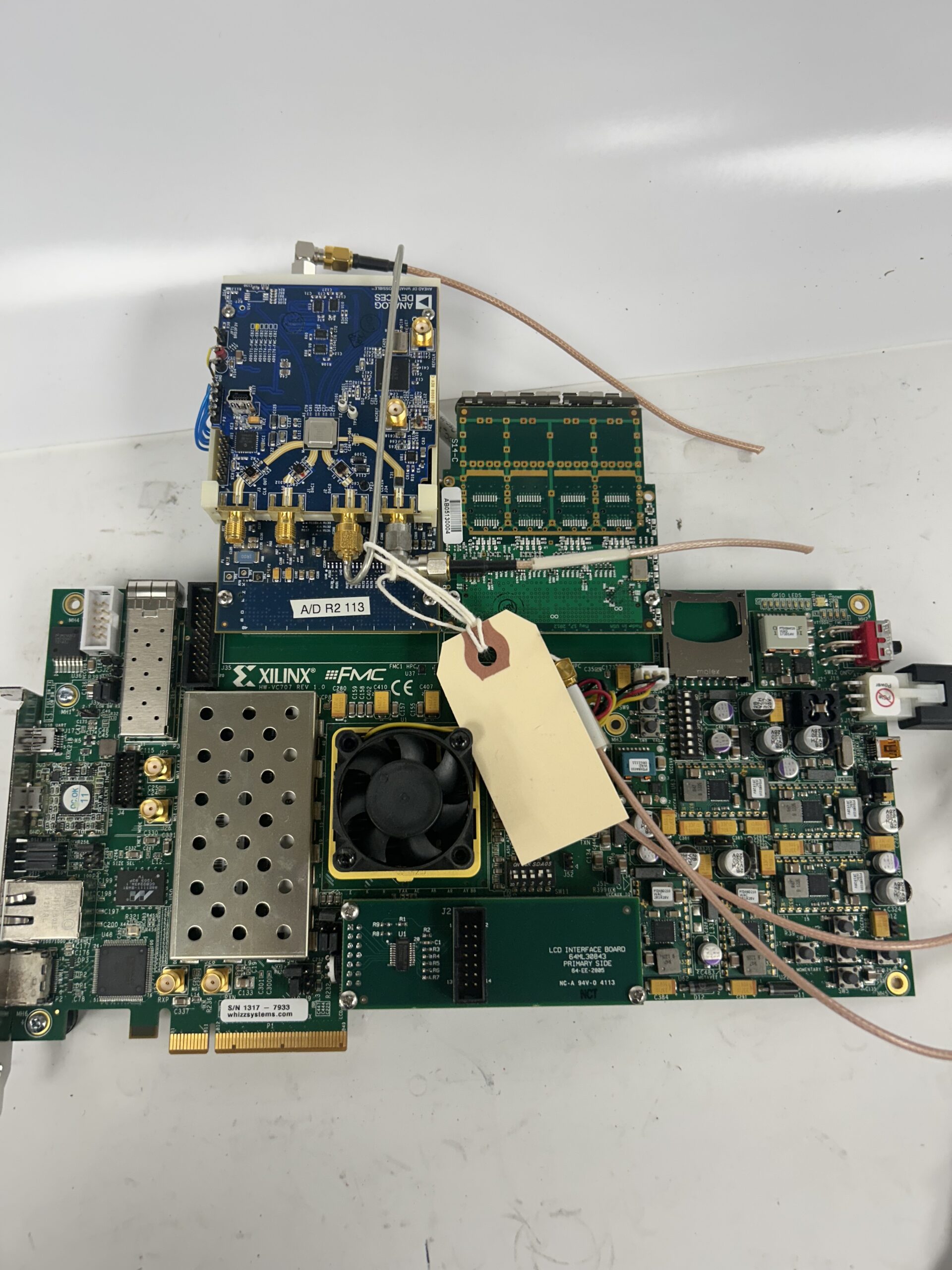


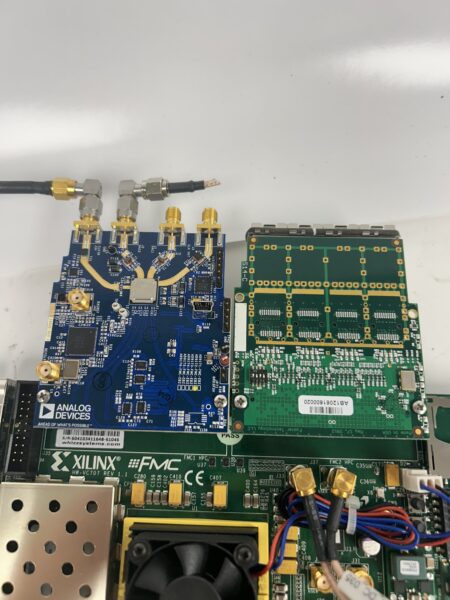
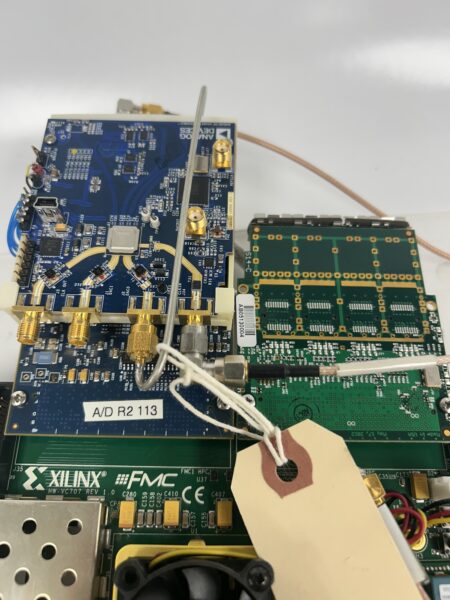
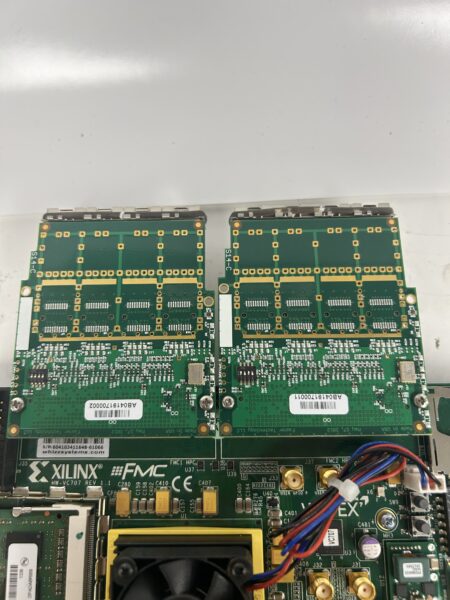
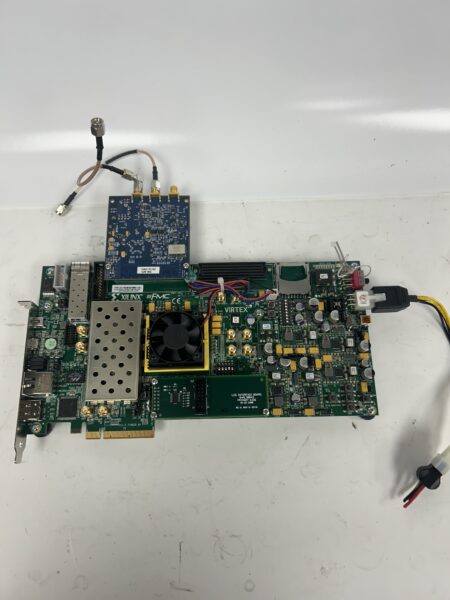
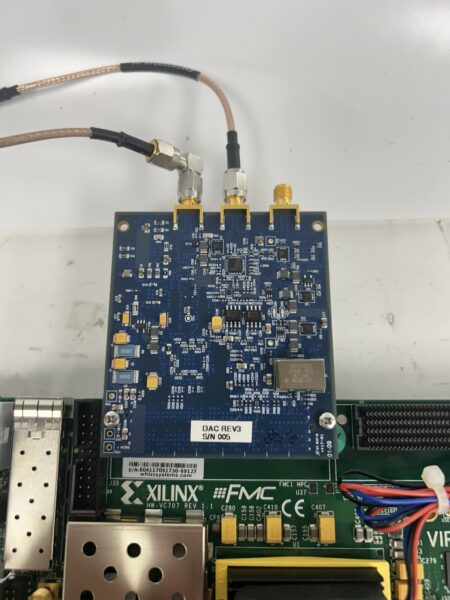
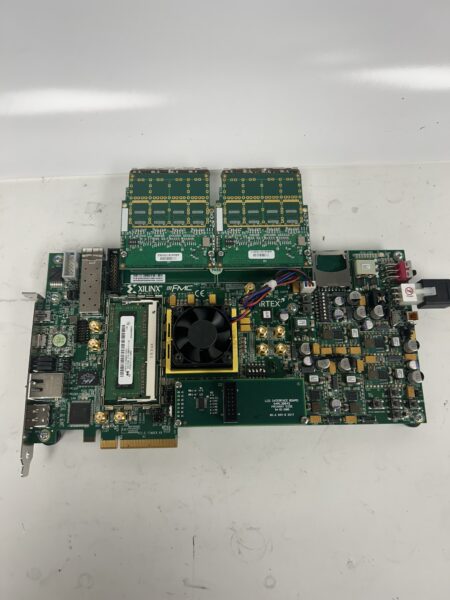
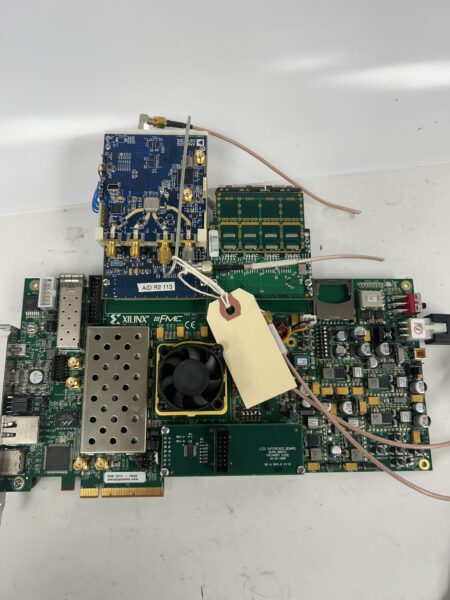
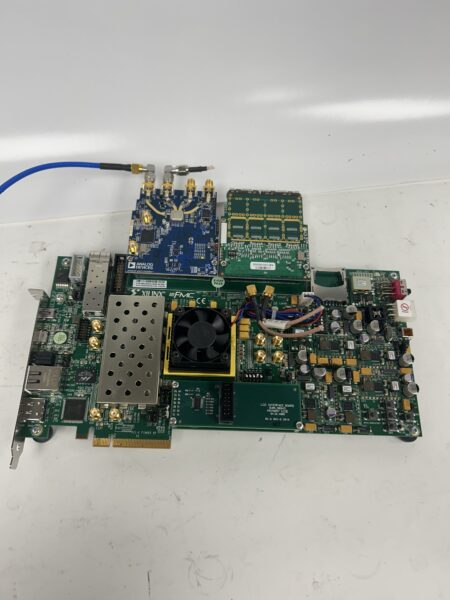
Xilinx VC707 Evaluation Board
Original price was: $2,500.00.$1,250.00Current price is: $1,250.00.
SKU: 79260
Out of stock
CompareProduct Overview:
The HW-VC707 Xilinx FMC Development Board is a feature-rich platform for evaluating and designing with Xilinx Virtex-7 FPGAs. This versatile development board supports FMC (FPGA Mezzanine Card) expansion, making it ideal for high-speed I/O and advanced processing applications. Whether used for prototyping, testing, or development, the HW-VC707 delivers unmatched performance and scalability for FPGA-based designs.
Key Features:
- Xilinx Virtex-7 FPGA: High-performance FPGA with extensive logic and DSP resources.
- FMC Expansion: FMC connector for flexible I/O expansion and mezzanine card compatibility.
- Memory Resources: On-board DDR3 memory for enhanced data throughput and storage.
- High-Speed Interfaces: Multiple high-speed connectivity options, including PCIe, Ethernet, and USB.
- Comprehensive Debugging: Integrated JTAG interface and debugging tools for efficient development.
- Robust Design: Durable PCB construction ensures reliable performance in demanding applications.
Specifications:
FPGA Specifications:
- Device: Xilinx Virtex-7 (Model: XC7VX485T)
- Logic Cells: Up to 485,000
- DSP Slices: Advanced signal processing capabilities for computationally intensive applications.
- On-Board Memory: High-capacity DDR3 for data-intensive designs.
Connectivity Options:
- FMC Connector: Compatible with industry-standard FMC modules for custom I/O.
- PCIe: High-speed PCI Express interface for host system integration.
- Ethernet: Gigabit Ethernet for network-based applications.
- USB Interface: USB for data transfer and programming.
Board Design:
- Power Supply: Supports multiple power modes with efficient power management.
- Form Factor: Compact layout for easy integration into test setups or production environments.
Applications:
- Digital Signal Processing (DSP): Ideal for applications requiring intensive computations, such as image and video processing.
- Embedded Systems Design: Prototyping and developing custom embedded solutions.
- Networking and Communications: Testing and deploying high-speed communication protocols.
- High-Speed I/O Development: Utilizing FMC expansion for custom I/O configurations.
- Scientific Research: FPGA-accelerated simulations and data analysis for research labs.
| Weight | 2 lbs |
|---|---|
| Dimensions | 12 × 9 × 3 in |
Related products


Sale!

Circuit Board Modules
Original price was: $125.00.$100.00Current price is: $100.00.
SKU: EB1541